
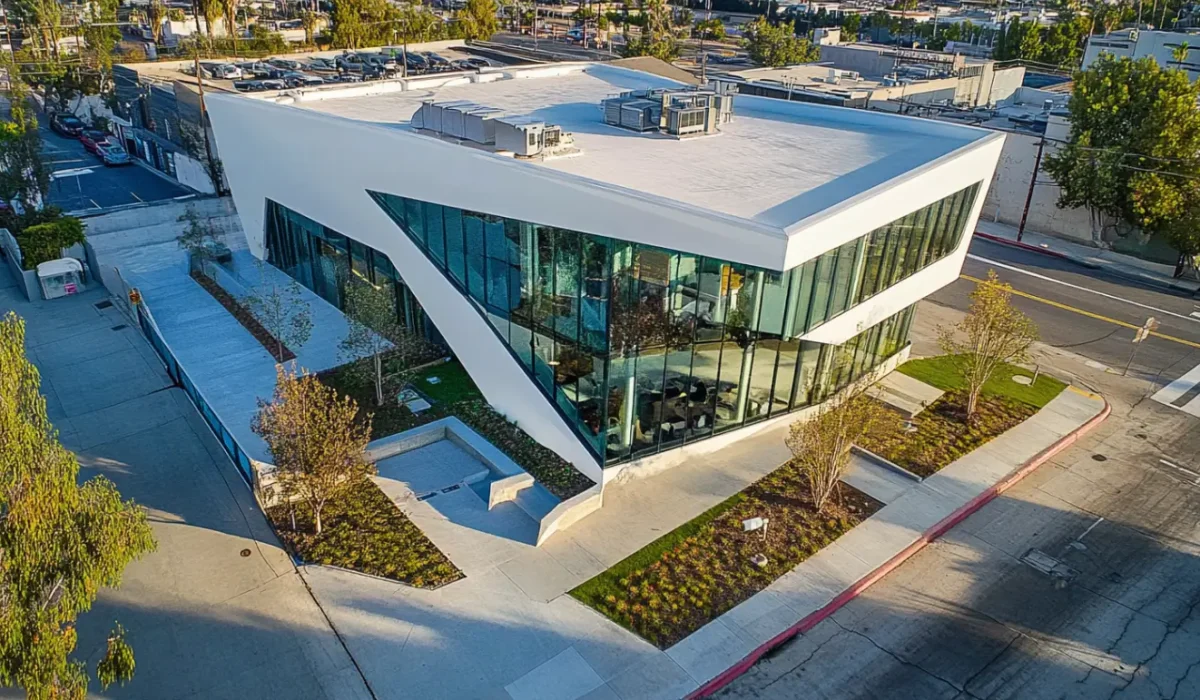
Choosing the right roofing system is not just a material decision. It is a building-performance decision that affects waterproofing reliability, insulation value, maintenance planning, long-term cost control, and the future flexibility of the property. At Foam Roofing Los Angeles, we work with owners and property managers who need a clear answer to a practical question: is spray foam roofing actually the right fit for this roof, this building, and this budget?
For many commercial properties, the answer is yes. Spray polyurethane foam roofing can deliver seamless protection, added insulation, strong restoration potential, and long-term maintainability. But it is not automatically the right choice for every roof. The right evaluation comes from matching the system to the building’s condition, layout, exposure, and ownership goals.
What Spray Foam Roofing Is Really Best At
Spray polyurethane foam roofing, often called SPF roofing, is a fluid-applied system that expands into a rigid closed-cell foam layer and is then protected with a coating such as silicone or acrylic. The result is a seamless roofing surface that can help waterproof the building while also improving insulation performance.
This combination is what makes SPF different from many conventional low-slope systems. Instead of adding only a membrane, SPF can also help address thermal performance, minor surface irregularities, and complex rooftop details in one roofing assembly. That makes it especially attractive for commercial roofs where energy efficiency, leak prevention, and long-term restoration potential all matter.
SPF is also often evaluated as part of a broader roof-assembly performance strategy, not just as a surface covering. In building enclosure design, spray polyurethane foam is widely recognized for its role in helping manage heat flow and improving overall assembly performance, which is one reason it continues to be considered for roofs where insulation value and system continuity matter together. For additional technical background, Building Science Corporation discusses spray polyurethane foam as a material used to support heat, air, and moisture control within building assemblies.
SPF also aligns well with hot, sun-heavy climates because reflective roof surfaces can reduce heat absorption. The U.S. Department of Energy notes that cool roofs reflect more sunlight and absorb less solar energy than conventional roofs, which is one reason roof surface performance matters so much in Los Angeles.
Contact Us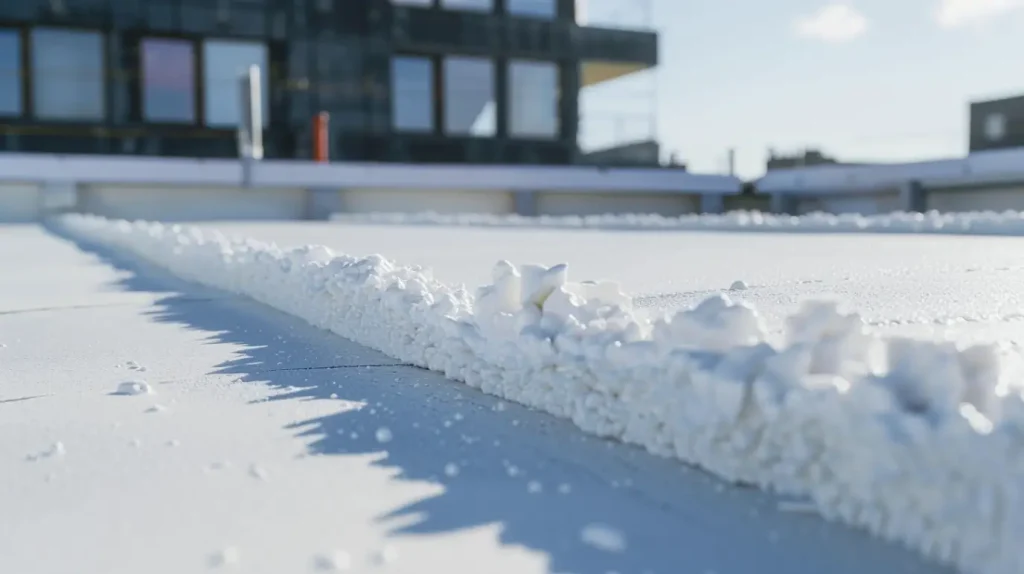
Who Is a Good Candidate for SPF Roofing
SPF roofing is often a strong fit for owners who are trying to solve more than one problem at the same time. It is particularly well suited for buildings that need a combination of waterproofing, insulation improvement, and restoration flexibility rather than just a basic roof covering.
A commercial property may be a good candidate when the roof is flat or low-slope, the building experiences high solar exposure, the existing roof has recurring leak-prone details, or ownership wants to avoid an immediate full tear-off if the current assembly is still recoverable. It also makes sense when the building has many penetrations, curbs, vents, and rooftop units that would otherwise create repeated seam and flashing vulnerabilities in other systems.
SPF can be especially attractive for owners who want a roof system that can often be renewed later through recoating rather than defaulting to another full replacement cycle. For buildings with long ownership horizons, this lifecycle value can be a major advantage.
Who Is Not a Good Candidate for SPF Roofing
A good fit-check also needs a clear no. SPF is not the right answer for every property, and that is exactly why a site-specific assessment matters.
It may not be the best choice for roofs with severe substrate deterioration, widespread trapped moisture, structural instability, or conditions that make recoverability unrealistic. In those cases, the building may need tear-off and more extensive corrective work before any restoration-oriented system can even be considered.
It may also be a poor fit where overspray risk cannot be properly controlled. SPF installation requires experienced crews, correct weather conditions, and careful planning. Buildings located near sensitive adjacent surfaces, active traffic areas, or conditions where wind exposure creates application risk need especially careful review.
SPF may also be the wrong match for owners who want a roof but do not want to commit to periodic inspections and coating maintenance. Spray foam roofing is highly maintainable, but it is not maintenance-free. The Spray Polyurethane Foam Alliance provides technical guidance for roof evaluation, renewal, and maintenance planning through its SPF technical documents, which is why contractor quality and maintenance expectations should be part of the decision from the beginning.
Common Los Angeles Flat and Low-Slope Roof Types That May Be Suitable for SPF
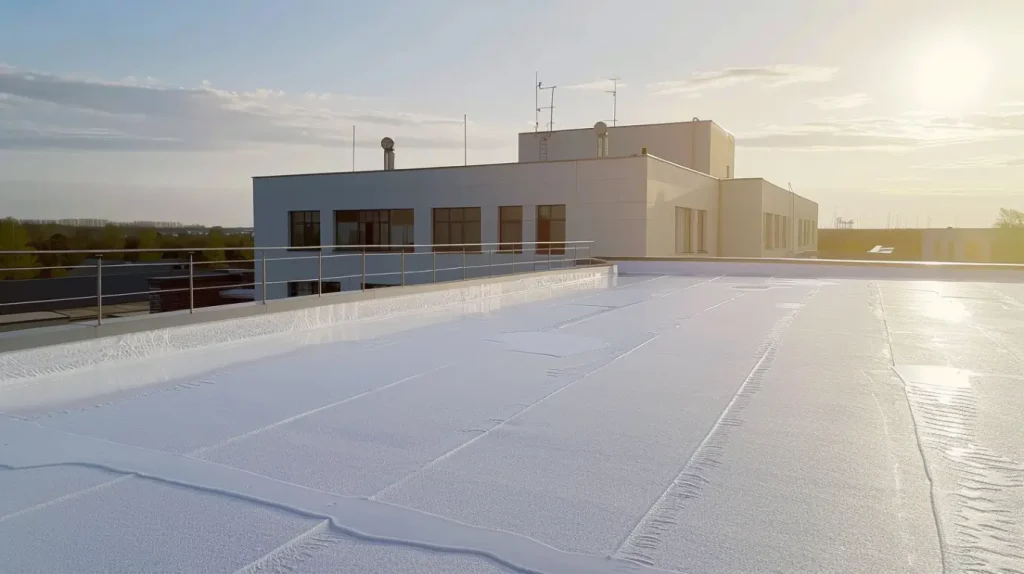
Los Angeles has a wide range of commercial flat and low-slope roof assemblies, and SPF is often evaluated as a retrofit or restoration option on several of them. That does not mean it can be applied over every roof without qualification, but it does mean it is commonly considered for a broad range of building types.
Built-up roofing systems are one common example. Many older commercial buildings in Los Angeles still have BUR roofs that may remain structurally serviceable even when they begin showing surface aging, leak points, or reduced thermal efficiency. In the right condition, these roofs may be reviewed for restoration rather than immediate removal.
Modified bitumen roofs are another common category. Some can be good candidates for SPF when the substrate condition is stable and moisture conditions support a recover approach. Existing single-ply systems on low-slope commercial buildings may also be reviewed, depending on attachment, moisture condition, compatibility, and overall roof integrity.
Metal roofs with low slope can also enter the conversation in some cases, especially when owners are trying to reduce fastener-related leak exposure, improve insulation, or address irregularities across aging surfaces. The key point is that roof type matters, but roof condition matters even more.
How Building Use Changes the SPF Decision
The same roofing system can be a strong fit on one building and the wrong choice on another, even when the square footage looks similar on paper. That is because building use affects roofing priorities.
A warehouse may prioritize thermal efficiency, waterproofing continuity, and minimal disruption. A retail center may care about appearance, tenant protection, and maintenance predictability. An industrial facility may have numerous penetrations and rooftop equipment that make a seamless system more attractive. An office building may place more emphasis on operational quiet, long-term asset value, and restoration flexibility.
That is why the right question is not just Is SPF good? The right question is whether SPF matches the performance pressures of the specific property.
What Usually Affects the Cost of Spray Foam Roofing
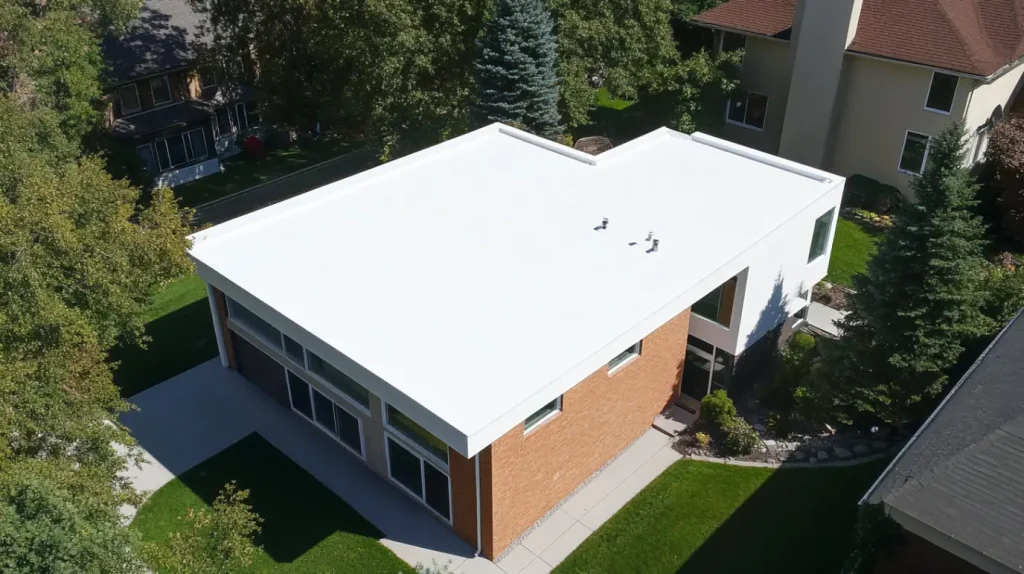
Owners often ask whether spray foam roofing is expensive. The better question is what drives the cost, because pricing depends heavily on roof condition and project complexity.
One of the biggest cost factors is whether the roof is a true restoration candidate or whether deeper corrective work is needed first. A dry, stable, recoverable roof is a very different project from a roof with major deterioration, trapped moisture, or extensive prep demands.
Roof size also matters, but complexity matters just as much. A simple open roof field is easier to address than a roof crowded with penetrations, curbs, drains, units, skylights, and transitions. Surface preparation requirements, drainage corrections, coating choice, access limitations, existing substrate type, and local jobsite conditions can all influence cost.
Thickness requirements also affect the budget. Some projects are focused more on waterproofing continuity and restoration, while others are trying to gain meaningful insulation value at the same time. As foam thickness and coating scope increase, project cost can shift accordingly.
Roof condition, trapped moisture, substrate integrity, and recoverability should be reviewed against recognized SPF roofing guidance before choosing a restoration-based approach.
In other words, spray foam roofing is not defined by one universal price point. It is defined by condition, design goals, and the amount of work needed to turn the roof into a reliable long-term system.
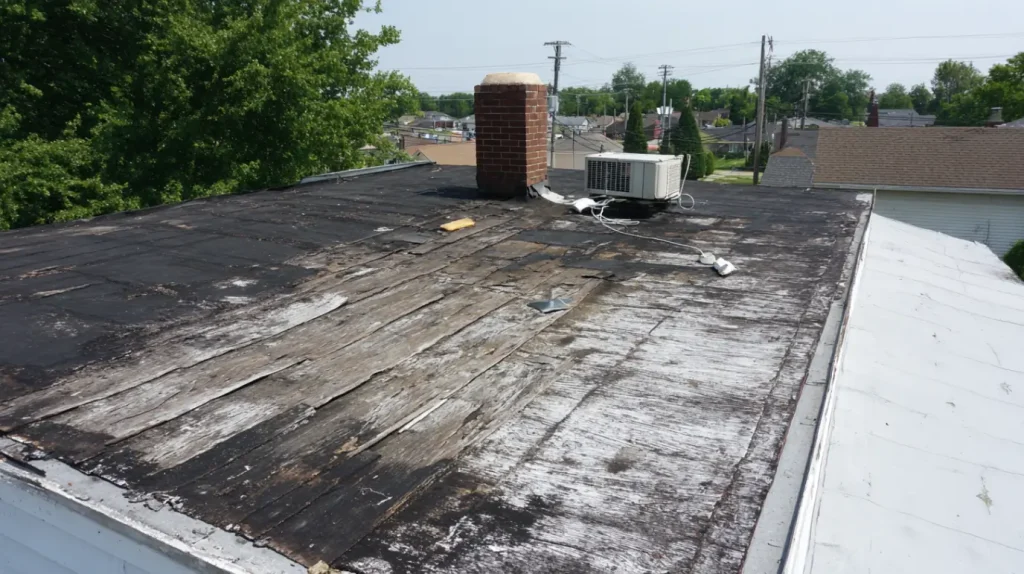
When SPF Roofing Makes More Sense Than Waiting
Some buildings are not ready for another year of patching, even if they are not yet in total failure. If the roof has recurring leak areas, visible seam-related vulnerability, poor energy performance, or aging surfaces that continue to consume maintenance dollars, waiting may only increase total cost.
This is especially true when repeated repairs are addressing symptoms rather than the underlying weakness of the roof assembly. On the right building, SPF can shift the strategy from repeated short-term repair spending to a more integrated roofing approach that addresses waterproofing and insulation together.
For owners arriving from early-warning content, the practical next step is not guessing from symptoms alone. It is moving from signs to fit. If the building is showing performance issues and ownership wants to understand the broader system before deciding, our guide to SPF commercial roofing systems provides a deeper overview of how SPF compares in terms of restoration, insulation, and long-term maintenance planning.
Questions to Ask Before Choosing SPF Roofing
Before selecting spray foam roofing, owners should look beyond product claims and ask more useful questions.
Is the existing roof actually recoverable, or is hidden moisture likely to change the scope? Does the building need improved thermal performance, or is waterproofing the only real concern? Are there numerous penetrations and transitions that make a seamless system more attractive? Is ownership prepared to maintain the coating system properly over time? Is the project trying to reduce lifecycle cost, not just initial spend?
These questions matter because SPF performs best when it is chosen for the right reasons. A strong system on the wrong building is still the wrong recommendation.
Why Professional Assessment Matters More Than Generic Advice
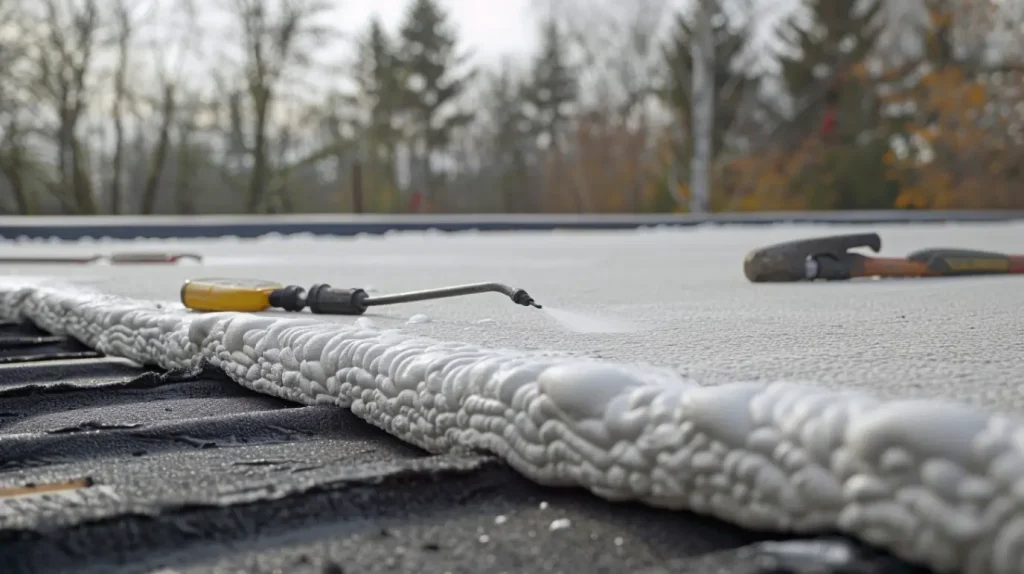
Spray foam roofing should never be selected only because it sounds energy efficient or because it worked on another property. The actual roof needs to be inspected for moisture condition, drainage behavior, substrate compatibility, existing defects, surface preparation requirements, and building-use demands.
That is where real fit-check decisions are made. A qualified commercial assessment can determine whether SPF is a restoration opportunity, a strategic upgrade, or the wrong approach altogether. It can also clarify whether other systems should remain part of the comparison.
Conclusion
Spray foam roofing can be an excellent option for the right commercial building, especially when the goal is to combine seamless waterproofing, insulation value, and long-term restoration flexibility in one system. It is often a strong match for flat and low-slope roofs in Los Angeles, but it is not the right answer for every substrate, every condition, or every ownership strategy. The right next step is not guessing from general pros and cons. It is to schedule an assessment and determine whether SPF truly fits the roof you have, the performance you need, and the long-term costs you want to control.
Read also our blog: A Complete Guide to Spray Foam Roofing Systems
Frequently Asked Questions
What types of roofs are usually best suited for spray foam roofing?
Spray foam roofing is typically best suited for flat and low-slope commercial roofs where owners want a seamless roofing system that can also improve insulation and support long-term restoration planning.
When is spray foam roofing not the right option?
It may not be the right option when the roof has severe structural deterioration, widespread trapped moisture, serious substrate instability, or site conditions that create unacceptable overspray or installation risk.
What should property owners evaluate before choosing SPF roofing?
Property owners should evaluate roof condition, moisture levels, drainage performance, substrate type, rooftop complexity, maintenance expectations, and whether the building would benefit more from restoration, replacement, or another low-slope roofing system.
Mail us for information
Emergency Phone