
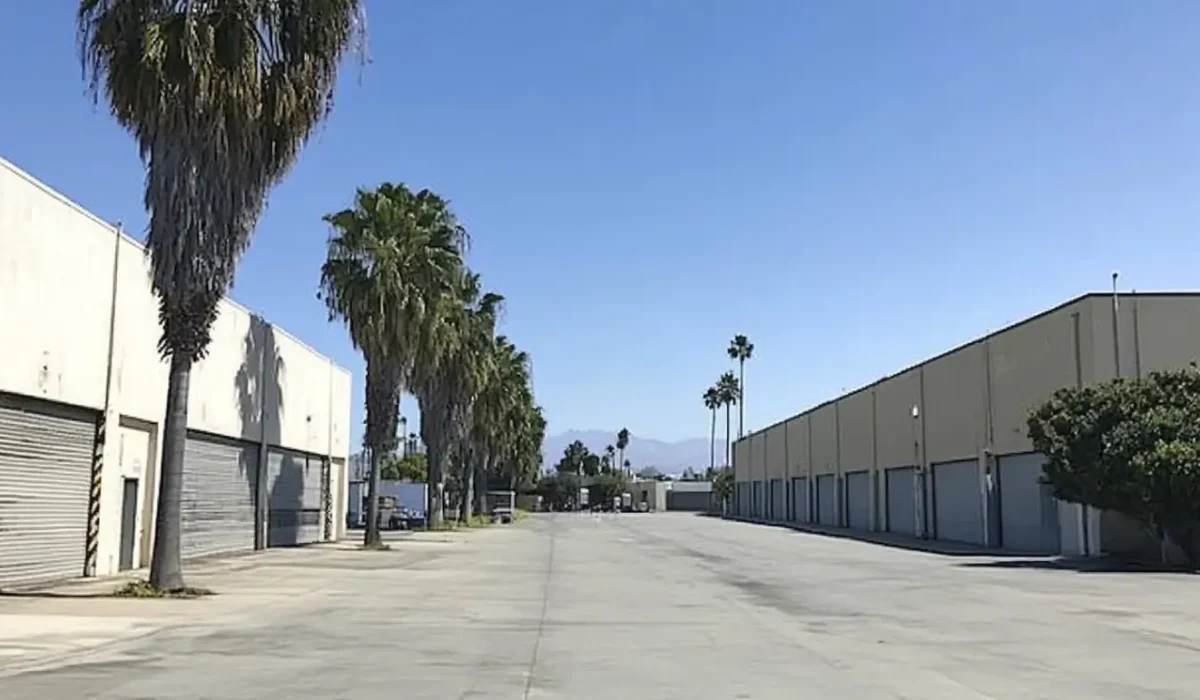
Industrial buildings place heavy demands on roofing systems. Wide roof spans, rooftop equipment, long operating hours, exposure to intense sunlight, and the constant need to protect interior operations all make roof performance a serious financial issue. At Foam Roofing Los Angeles, we understand that industrial property owners are not simply looking for a roof covering. We are evaluating systems based on durability, energy performance, maintenance demands, and long-term cost control.
Why SPF Roofing Is Well Suited for Industrial Construction
Spray polyurethane foam roofing is often a strong fit for industrial buildings because it creates a seamless, fully adhered roofing surface that also adds insulation. On many industrial properties, the roof is not a simple flat plane. It may include penetrations, curbs, pipes, mechanical supports, vents, skylights, and transitions that increase leak risk in systems with many seams and joints.
SPF is applied as a liquid that expands into foam and forms a continuous layer across the roof surface. This allows the roofing system to conform to complex details more effectively than many traditional low-slope materials. In industrial construction, where small failures can turn into expensive interruptions, that seamless quality becomes one of the system’s biggest advantages.
Another major factor is thermal performance. Industrial buildings often struggle with heat gain, especially in large warehouse and manufacturing environments. SPF adds insulation directly at the roof level, helping the building resist heat transfer while also supporting better indoor comfort and improved energy efficiency. For owners comparing roofing options, this combination of waterproofing and insulation in one system often makes SPF stand out.
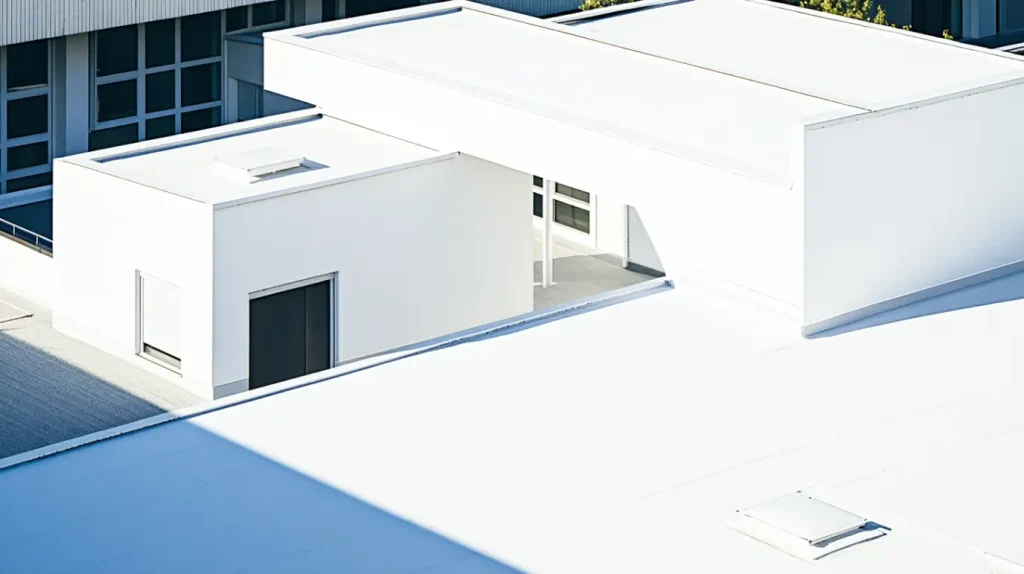
How SPF Performs on Industrial Roofs With Complex Layouts
Many industrial buildings have roof layouts that are difficult to waterproof using systems that rely heavily on seams, fasteners, and repeated flashing details. The more interruptions there are across a roof, the more opportunities there are for water intrusion over time.
SPF helps simplify that challenge by creating a monolithic surface across the field of the roof and around many common rooftop details. This does not remove the need for proper preparation and professional installation, but it does reduce dependence on exposed field seams across large roof areas. For industrial buildings that contain valuable equipment, inventory, production lines, or sensitive workspaces, reducing leak vulnerability is often a high priority.
This is especially valuable for facilities that cannot tolerate repeated repairs or emergency response situations. A roof failure in an industrial environment can impact more than the roof itself. It can affect workflow, stored products, employee safety, temperature control, and production schedules.
Large Warehouses and Distribution Buildings
Warehouses and distribution facilities often have expansive low-slope roofs that absorb significant solar heat throughout the day. Even small improvements in roofing performance can create meaningful benefits when they are applied across a very large square footage.
SPF is often attractive in these buildings because it can help improve insulation while also supporting cool roof performance while providing a seamless roofing membrane. That can support lower cooling demands, more stable interior temperatures, and better overall energy management. For facilities that operate long hours or hold temperature-sensitive inventory, roof performance can influence daily operating costs in a very direct way.
Warehouses also tend to benefit from roofing systems that reduce maintenance complexity. When a building has a large footprint, even routine repairs can become time-consuming and expensive. A roofing system that supports easier long-term maintenance planning can be valuable for ownership groups trying to control lifecycle cost.
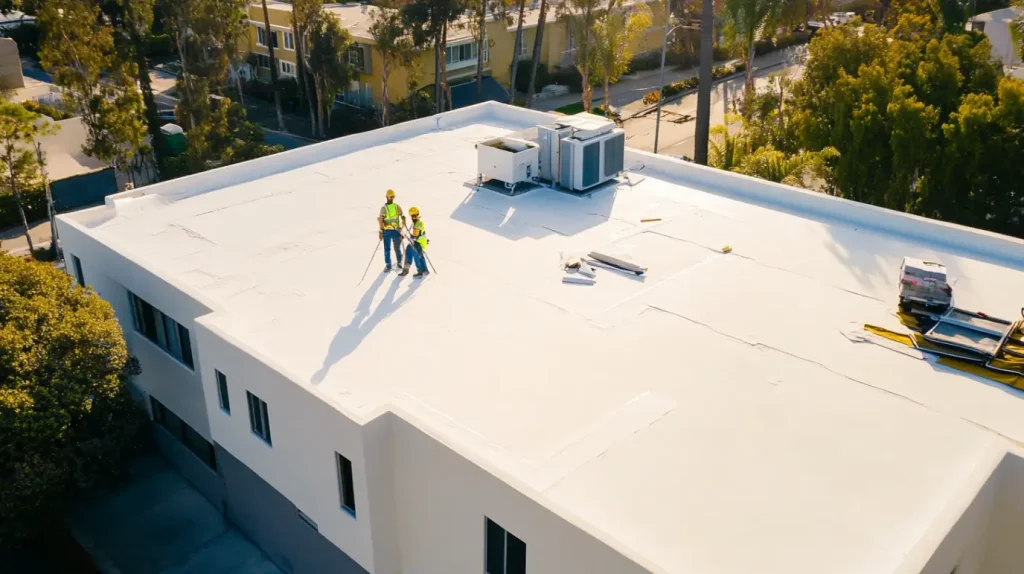
Manufacturing Facilities With Heavy Rooftop Equipment
Manufacturing buildings typically present more roofing challenges than standard commercial properties. Rooftop exhaust, mechanical units, process-related penetrations, curbs, and service pathways can all increase the complexity of the roof system.
In these environments, SPF can be an effective solution because it can be applied around irregular shapes and transitions while maintaining continuity across the roof surface. Instead of treating every interruption as another weak point in a seam-based system, SPF creates a more unified assembly that can better accommodate complicated rooftop conditions.
This matters because manufacturing roofs are often exposed to vibration, foot traffic, service activity, and heat-related stress. A roofing system in this environment must do more than keep rain out. It must support reliable performance under demanding real-world use.
Aging Industrial Roofs That May Be Candidates for Restoration
Not every industrial roof needs a full tear-off as the first answer. In some cases, an existing roof may still have structural value and may be a candidate for restoration if conditions are appropriate. That is one of the reasons SPF is frequently considered in industrial roofing evaluations.
When the substrate is suitable and the existing roof is dry enough to qualify, SPF can sometimes be installed as part of a recovery strategy. This can reduce the disruption, labor, and disposal demands associated with full removal. For industrial properties, that is often an important advantage. Large-scale tear-off work can affect access, operations, and project logistics in ways that owners want to avoid whenever possible.
A restoration-oriented approach can also improve the economic picture. Instead of focusing only on the cost of immediate replacement, owners can evaluate the roof in terms of renewed performance, improved insulation, and future maintainability.
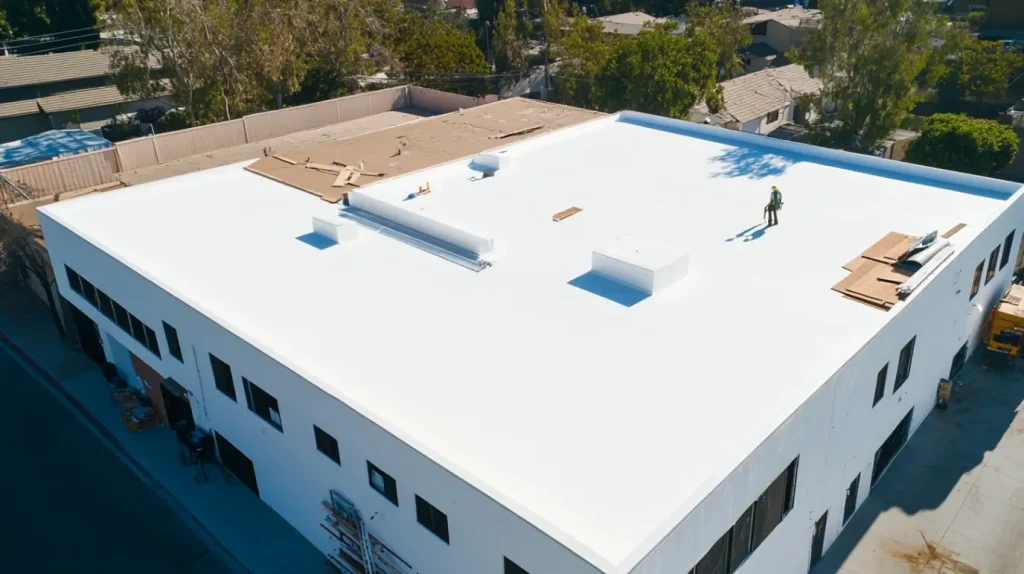
Drainage Problems and Uneven Roof Areas
Industrial roofs often develop low spots, slow-drain areas, or chronic ponding conditions over time. These drainage problems can shorten roof life and increase the chance of recurring leaks. A system that simply covers the existing surface without addressing water movement may leave the underlying problem largely unchanged.
One of the practical advantages of SPF is that it can be applied to help correct minor slope issues in targeted areas. Tapered applications, crickets, and improved transitions can be built into the system to encourage better drainage. On industrial buildings where standing water has become a repeated concern, that flexibility can be a major benefit.
Every roof must still be evaluated individually, and severe drainage defects may require broader corrections. Even so, SPF offers more adaptability than many materials that simply follow the exact shape of the roof beneath them.
Long-Term Cost Considerations for Industrial Owners
Industrial roofing decisions should not be based only on initial installation price. Owners and facility managers usually need to weigh ongoing repair costs, energy use, maintenance frequency, interior risk, and the future expense of major replacement work.
SPF often enters the conversation because it addresses several of these cost factors at once. It can help improve thermal performance, reduce the number of exposed seams, support easier localized repairs, and extend service life through recoating when the system is properly maintained. That creates a different financial model than systems that are judged mainly by first cost and later replaced through another major tear-off cycle.
For industrial properties with long ownership horizons, this lifecycle perspective is often more important than the lowest upfront number on a proposal.
For a broader overview of commercial SPF roofing systems, property owners should review how SPF performs in restoration, insulation, and long-term lifecycle planning.
What Matters Most Before Choosing SPF for an Industrial Building
The right roofing recommendation should always begin with the actual condition of the building. Roof moisture, deck integrity, existing membrane condition, traffic patterns, number of penetrations, drainage performance, and building use all influence whether SPF is a strong fit.
That is why owners should not treat SPF as a default answer for every industrial roof. It is most effective when selected for the right building and installed with proper preparation, correct thickness, careful detailing, and an appropriate protective coating. Industrial roofing requires a building-specific evaluation, not a generic product pitch.
Property owners who want a deeper understanding of the system itself should also review our guide on SPF commercial roofing systems to better compare restoration potential, insulation value, and long-term maintenance considerations.
Owners should also review contractor qualifications, coating selection, maintenance expectations, and recognized SPF technical documents when evaluating industrial roofing options.
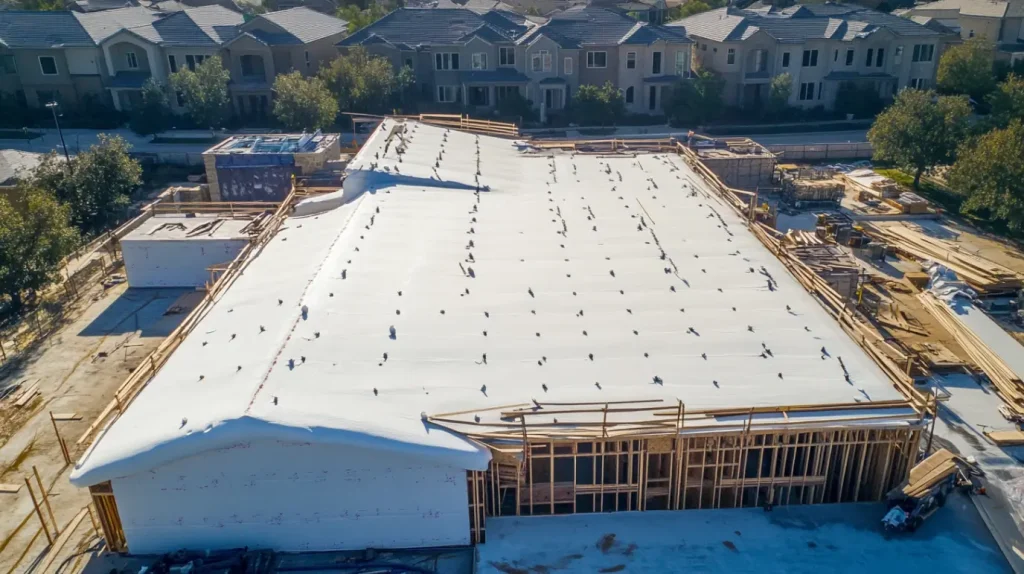
Why Industrial SPF Roofing Deserves Serious Consideration
Industrial construction demands roofing systems that do more than survive weather. The roof must protect operations, control energy exposure, reduce maintenance pressure, and support long-term asset performance. SPF roofing deserves serious consideration because it addresses these demands in a practical and integrated way.
For large warehouses, manufacturing facilities, aging low-slope buildings, and properties dealing with drainage or energy-efficiency concerns, SPF can provide meaningful advantages when the building is a good candidate. The most useful next step is not chasing generalized project stories, but reviewing the existing roof condition and determining which system delivers the strongest long-term value for the property.
Conclusion
SPF roofing in industrial construction is best understood through performance, not marketing language. It is a system that can bring insulation, seamless waterproofing, adaptability, and lifecycle value together in one roofing solution. For industrial buildings where energy performance, maintenance planning, and leak prevention all matter, SPF may offer a more strategic path than many traditional roofing options. The right way to evaluate it is through a professional commercial roof assessment focused on the actual demands of the building.
Read our blog: Routine Maintenance for SPF Roofs: A Practical Checklist for Building Owners
Frequently Asked Questions
Is SPF roofing a good choice for industrial buildings?
SPF roofing can be an excellent choice for many industrial buildings because it creates a seamless surface, adds insulation, and performs well around complex rooftop details. Its suitability depends on the building’s current roof condition and project goals.
Can SPF roofing be installed over an existing industrial roof?
In some cases, yes. If the existing roof is dry, stable, and compatible with the system, SPF may be installed as part of a restoration approach. A professional inspection is necessary before making that decision.
How does SPF roofing help reduce industrial roofing costs over time?
SPF can help reduce long-term costs by improving energy efficiency, lowering leak risk, supporting easier maintenance, and allowing future recoating instead of immediate full replacement in many situations.
Mail us for information
Emergency Phone