
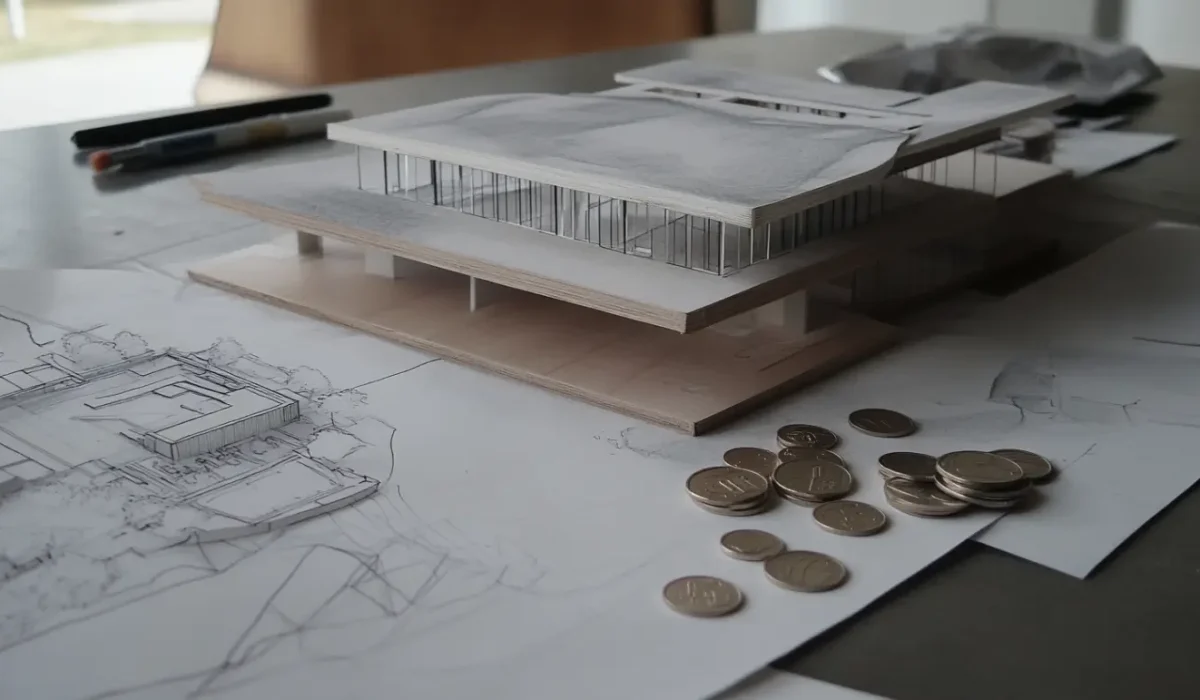
For commercial owners comparing flat-roof investments, Foam Roofing Los Angeles evaluates spray polyurethane foam through long-term financial performance rather than first-cost pricing alone. The most useful question is not whether SPF roofing looks competitive on bid day. The more important question is how the roof performs over time when installation cost, coating renewal cycles, maintenance, energy impact, leak prevention, downtime, warranty conditions, and future replacement avoidance are all measured together. That broader view is what makes life-cycle cost analysis far more valuable than a simple price-per-square-foot comparison.
For owners who are still evaluating the broader system itself, our complete guide to SPF commercial roofing explains how the assembly works, where it performs best, and what to expect over the long term.
Why First Cost Alone Can Mislead Building Owners
A low initial number does not guarantee a low total cost of ownership. Commercial roofing expenses accumulate in phases. The owner pays for initial installation or recovery, periodic maintenance, corrective repairs, coating renewal, operational disruption, warranty compliance, and eventually a major capital event. A roof that appears cheaper at the start can become more expensive after years of leak-related service calls, interior protection work, recurring detail failures, or premature replacement.
That is why the strongest commercial roofing comparison is not install cost versus install cost. It is cost per year of dependable service. Once ownership evaluates roofing through that lens, SPF often becomes more compelling because it can combine waterproofing, insulation, and reflective performance in a single system instead of forcing those costs into separate categories later.
Contact Us
The Core Cost Structure of SPF Roofing
A proper SPF life-cycle analysis begins by separating roofing costs into clear categories rather than blending everything into one contract number.
Initial Installation Cost
The first cost includes roof preparation, moisture-related corrective work where needed, substrate repairs, foam application, protective coating, flashing details, and traffic protection. That number varies based on roof condition, penetrations, drainage challenges, access, coating specification, and project complexity.
Coating Renewal Cycles
The second category is the protective coating cycle. SPF is not a one-time surface that should be ignored until failure. Its financial advantage depends on preserving the foam layer and renewing the weathering surface before deterioration becomes severe. The Spray Polyurethane Foam Alliance states that SPF roofs require protective coatings and that, depending on climate, coating type, and coating thickness, those coatings may last from 5 to 20 years before recoating is needed. SPFA also notes that regularly inspected and recoated SPF roofs can last the lifetime of the building.
Maintenance and Repair Costs
Like any commercial roof, SPF requires inspections, drain review, puncture repair when needed, flashing checks, and traffic management. The difference is that SPF creates a continuous roofing surface. That often reduces the number of vulnerable seams, laps, and joints that can become chronic service points on other flat-roof systems. Over time, that difference can influence annual repair spending and internal maintenance workload.
Major Capital Event Cost
The final category is the eventual major capital expense. On many commercial roofs, that means full tear-off and replacement. With SPF, a better-maintained system may continue performing through recoating and restoration rather than requiring immediate removal and full replacement. That distinction has major implications for reserves, budgeting, and long-term asset planning.

Why SPF Changes the Capital Planning Model
Many roofing systems are managed through a replace-and-repeat cycle. The owner installs the roof, maintains it as it ages, and eventually funds another major replacement. SPF can shift that model because the foam layer may remain in place while the protective surface is renewed through regular inspection and recoating on schedule. That makes the roof less like a disposable assembly and more like a renewable asset.
This difference matters financially because replacement is never just a material purchase. It often includes tear-off labor, disposal costs, deck exposure, moisture discovery, interior risk, schedule pressure, and tenant or operational coordination. A roof system that can delay or reduce those future capital shocks can produce a stronger return on investment even when the first contract price is not the lowest.
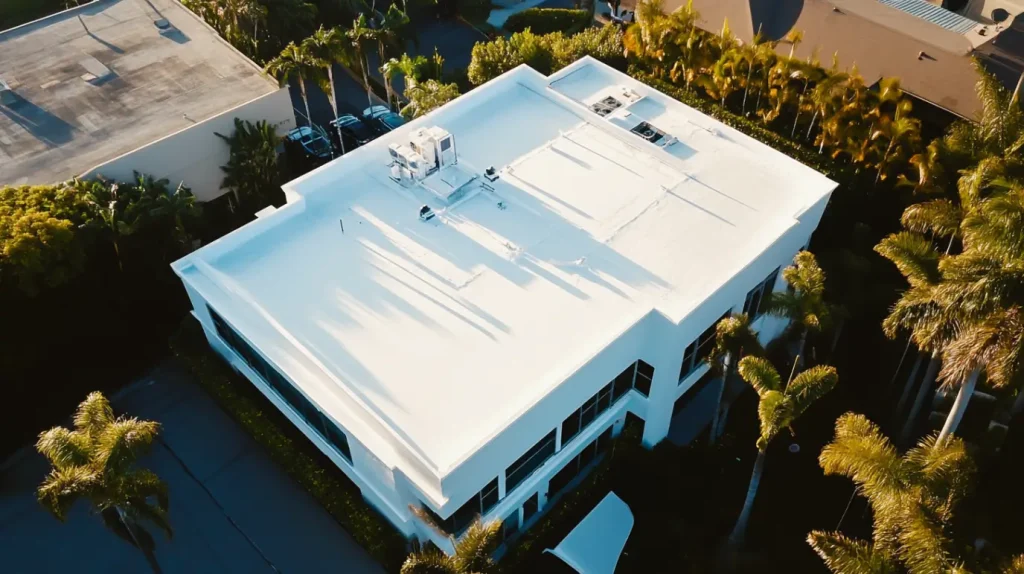
Cost Per Year Is the Metric That Matters Most
One of the clearest ways to compare roofing systems is by using cost per year. This metric moves the discussion beyond short-term pricing and forces each option to be judged by long-term financial performance.
A useful cost-per-year model includes:
- initial installation or recovery cost
- scheduled inspections
- repair history or projected corrective work
- recoating intervals
- expected warranty compliance costs
- operational disruption exposure
- the likely major capital event at the end of the evaluation period
When that full picture is measured, a roof with a slightly higher first cost can still deliver a lower cost per year if it reduces energy use, controls repair frequency, limits leak exposure, and avoids a premature tear-off. That is the core financial case for SPF roofing.
Energy Savings Belong Inside the ROI Calculation
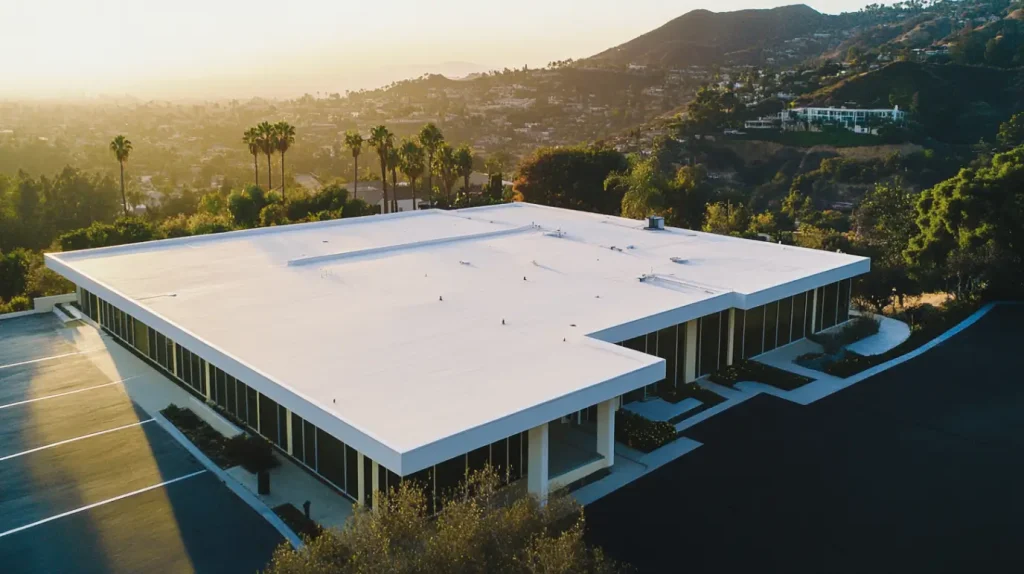
Energy impact should not be treated as a separate conversation. For many commercial flat roofs, it is one of the most important contributors to long-term financial return. SPF combines insulation with a reflective coating system, which means the roof can influence heat gain as well as waterproofing performance.
On commercial buildings with long cooling seasons, high rooftop sun exposure, or significant conditioned interior space, that can affect utility costs and mechanical demand over time. Lower heat absorption at the roof level may help reduce air conditioning demand and improve indoor consistency, especially on buildings where the roof has a direct effect on the occupied environment below.
A roof that helps reduce energy demand is not just protecting the structure. It is also supporting operating efficiency. When that benefit is added to maintenance savings and replacement deferral, the return on SPF becomes easier to justify from a financial standpoint.
Downtime Is a Real Ownership Cost
Too many roofing comparisons ignore disruption. That leaves out a cost category that can materially affect the value of a project.
Commercial roofing work can interfere with staff movement, loading operations, customer access, equipment protection, parking coordination, air-intake management, and normal daily activity. For some properties, the cost of disruption can be just as important as the cost of materials. Even when the impact is temporary, it can consume management time, create scheduling challenges, and increase operational risk.
This is one reason life-cycle cost analysis must go beyond contract price. A roofing system that supports a more controlled project approach and fewer recurring problem events may save money in ways that do not appear clearly on the original estimate. Over the long term, reduced disruption is part of the roof’s financial performance.
Warranty Value Depends on Conditions, Not Just Years
Warranty language is often misunderstood during roofing decisions. A longer warranty period may look impressive, but its value depends on the conditions attached to it. Owners need to consider what inspections are required, how maintenance affects coverage, what exclusions apply, and whether recoating or repairs are expected to keep the warranty in force.
A roof warranty only adds meaningful financial value when the owner can realistically maintain compliance. If the terms are difficult to sustain in actual building operations, the warranty Is Spray Foam Roofing the Right Option for You?
Conclusion
Life-cycle cost analysis gives commercial owners a better way to evaluate SPF roofing. Instead of focusing only on the initial contract amount, it measures how the roof performs across years of service. SPF often stands out when ownership values energy efficiency, controlled maintenance, reduced leak exposure, and the ability to renew the system through recoating rather than defaulting to full replacement. For commercial flat roofs, the smarter financial decision is not always the one with the lowest bid. It is the one that delivers the lowest cost per year while protecting the building, reducing future capital strain, and strengthening long-term return on investment.
Red Our Blog: Modified Bitumen vs SPF Roofing: Which One Is Better for You?
FAQ
How is SPF roofing ROI usually calculated?
SPF roofing ROI is usually calculated through life-cycle cost analysis. That means comparing installation cost, maintenance, recoating, energy impact, disruption, and future replacement exposure over a defined period rather than looking only at the initial bid price.
Does SPF roofing always save money over the long term?
Not always. SPF usually performs best when the roof is a good recovery candidate, the building benefits from added insulation and reflectivity, and the owner follows a planned inspection and recoating schedule. Without those conditions, long-term savings may be reduced.
What should be included in an SPF ROI estimate?
A useful SPF ROI estimate should include current roof condition, moisture and drainage issues, installation scope, coating renewal intervals, projected maintenance, energy-related performance, operational disruption, warranty-related obligations, and the expected cost of alternative roofing options over the same time period.
Mail us for information
Emergency Phone