
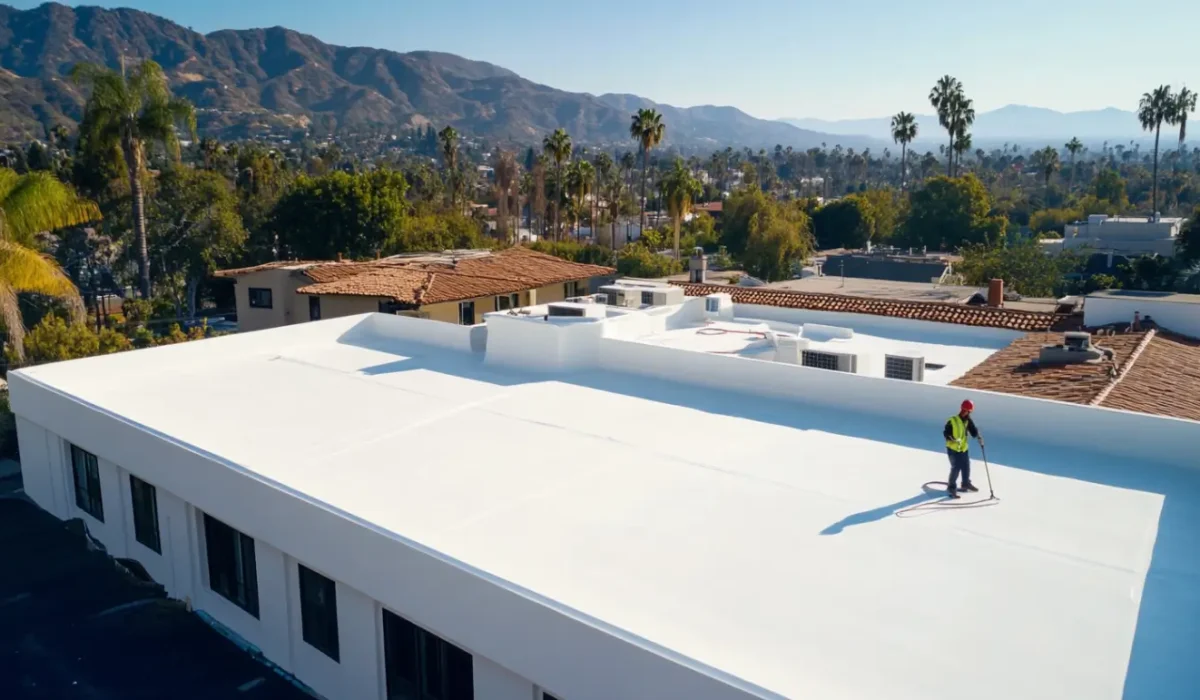
Foam Roofing Los Angeles works with commercial building owners, facility managers, and property investors who need to protect the long-term value of their roofing systems. A Spray Polyurethane Foam roof can be one of the most durable and cost-efficient commercial roofing assets available, but only when it is properly maintained and recoated at the right time.
Unlike many roofing systems that eventually force owners into costly tear-off and replacement cycles, an SPF roof can often be maintained and renewed through strategic repairs and recoating. That is what makes maintenance so important. The goal is not simply to fix isolated issues as they appear. The goal is to preserve the protective surface before normal wear turns into exposed foam, moisture intrusion, insulation loss, and larger restoration costs.
This guide explains why SPF roof maintenance matters, what warning signs indicate it may be time to recoat, how the recoating process works, and why timely action is usually the smartest financial move for a commercial owner.
Why Maintenance Matters on a Spray Foam Roof
To understand why maintenance is essential, it helps to understand how an SPF roof works.
An SPF roofing system is made up of two primary components:
- the underlying polyurethane foam, which provides insulation and creates a seamless, fully adhered roofing layer
- the protective top coating, usually silicone or another elastomeric coating, which shields the foam from UV exposure, weathering, and surface wear
The foam itself delivers excellent thermal performance and seamless waterproofing value, but it is the coating that protects the system from the elements. That coating is the roof’s outer defense layer. Over time, sunlight, weather exposure, rooftop traffic, and debris gradually wear it down. If that protective layer is not maintained, the foam below becomes vulnerable.
In practical terms, maintaining an SPF roof is largely about maintaining its coating.
If you want to better understand the long-term timeline behind that lifecycle, this is also where a related article on how long a spray foam roof lasts and what owners should expect over time fits naturally into the topic cluster. That supporting piece can help owners forecast service life, while this guide focuses on the actions that protect that life.
Contact Us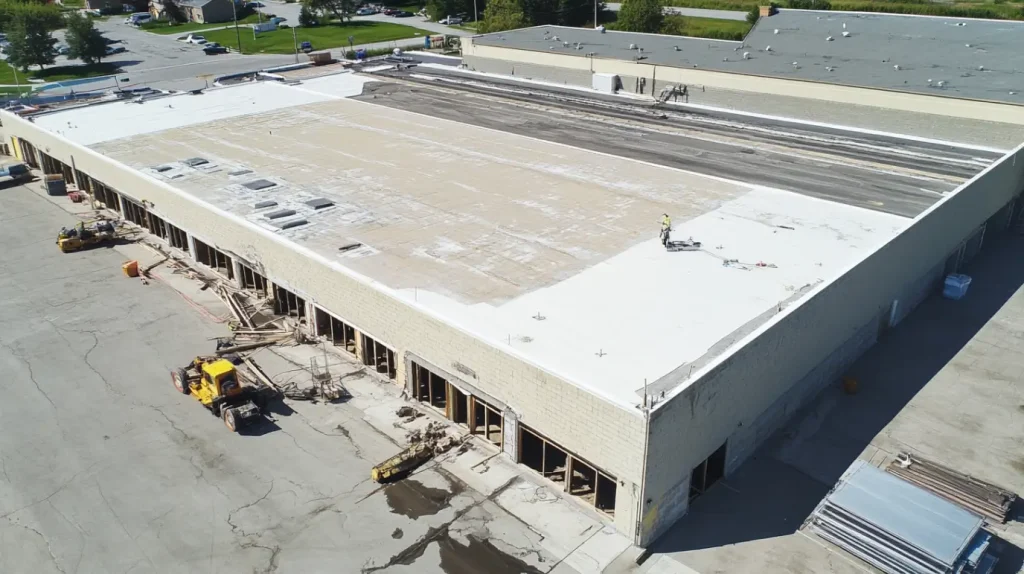
The Main Threats to SPF Roof Longevity
SPF roofs are durable, but they are not maintenance-free. Commercial rooftops experience a combination of predictable stresses that gradually affect coating performance.
UV Exposure
The most constant source of wear is ultraviolet radiation. If foam becomes exposed, it can begin to discolor, weather, and deteriorate. That is why coating condition is so important on an SPF system.
Rooftop Traffic and Physical Damage
Commercial roofs are active environments. HVAC technicians, service contractors, tools, equipment movement, and debris can all damage the coating surface. Even a strong roof system can develop problems if high-traffic areas are not monitored.
Drainage-Related Wear
Standing water, clogged drains, and low areas can accelerate coating wear and create stress points. On any commercial roof, poor drainage shortens the margin for ignoring surface deterioration.
Delayed Maintenance
One of the biggest risks is not a dramatic failure. It is delay. Small punctures, isolated coating wear, or flashing stress may be manageable early. Left untreated, those same issues can spread into more expensive repair and restoration work.
Routine Maintenance: Catching Small Issues Early
Routine maintenance is what keeps a high-performing SPF roof from drifting into avoidable decline.
At a minimum, commercial owners should arrange regular inspections at least twice a year, commonly in the spring and fall, and after major weather events or rooftop service activity. The purpose is not just to find leaks. It is to identify coating wear, physical damage, drainage issues, and detail stress before they become larger problems.
During routine maintenance, key areas to review include:
- punctures and gouges from tools or debris
- blisters or irregular surface areas
- clogged drains and scuppers
- stress around penetrations, curbs, and parapet transitions
- worn coating in high-traffic service paths
- localized exposed foam
- cracking or pullback at flashing areas
For readers who want a more tactical inspection framework, this is the natural place to link internally to Routine Maintenance for SPF Roofs: A Practical Checklist for Building Owners. That supporting article can give owners and maintenance teams a more field-ready checklist, while this pillar remains the strategic guide to preservation and recoating.
Minor Repairs vs. Full Recoating
One of the most important distinctions in SPF roof management is the difference between localized maintenance and broader restoration.
Not every issue means the entire roof needs recoating. In many cases, isolated damage can be addressed with targeted repairs. But when coating wear is more general and age-related, a full recoat often becomes the better long-term solution.
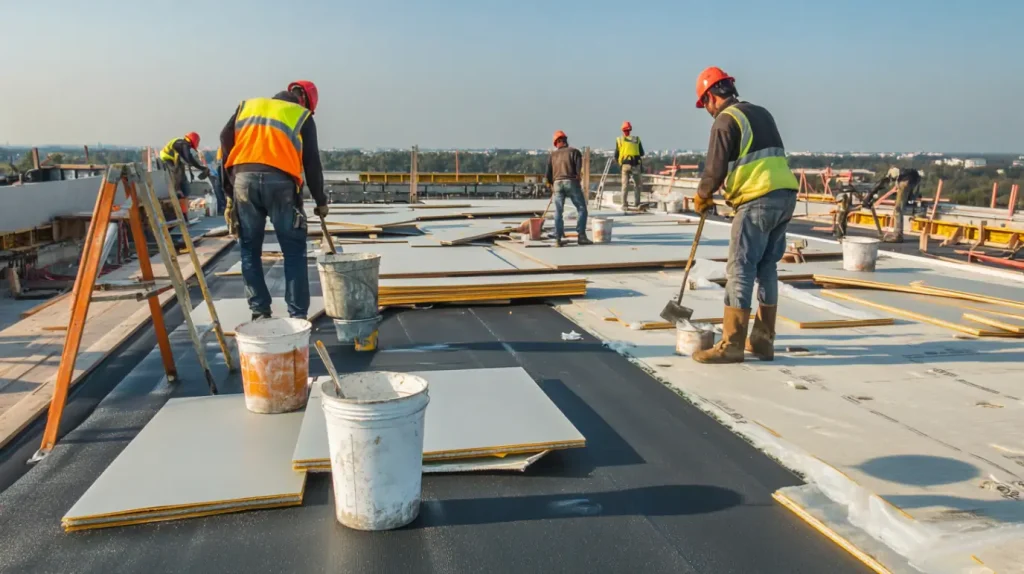
Minor Repairs vs. Full Recoating: Knowing the Difference
When evaluating the condition of your SPF roof, it is vital to distinguish between localized damage that requires simple maintenance and systemic coating degradation that necessitates a full recoat.
| Feature | Minor Repairs | Full Recoating |
| Scope of Work | Localized patching of punctures, small blisters, or limited flashing issues | New coating applied across the full roof area |
| Roof Condition | Most coating is still in good condition | Coating has thinned or weathered more broadly |
| Damage type | Isolated events or limited wear | Systemic aging and widespread surface erosion |
| Budget category | Usually operational maintenance | Larger planned restoration investment |
| Timeline | Often completed quickly | Usually takes longer depending on size and prep needs |
| Outcome | Stops isolated damage from spreading | Restores protection and extends roof life |
When Minor Repairs Are Enough
Minor repairs may be appropriate when:
- damage is clearly localized
- most of the coating still has useful life
- foam is not broadly exposed
- the issue came from a specific event, such as dropped tools or isolated service traffic
When Full Recoating Makes More Sense
A full recoat is often the better option when:
- coating wear is visible across large sections
- repairs are becoming more frequent
- there are multiple vulnerable areas on the roof
- exposed foam is appearing in several locations
- the owner wants to extend service life before deterioration becomes more invasive
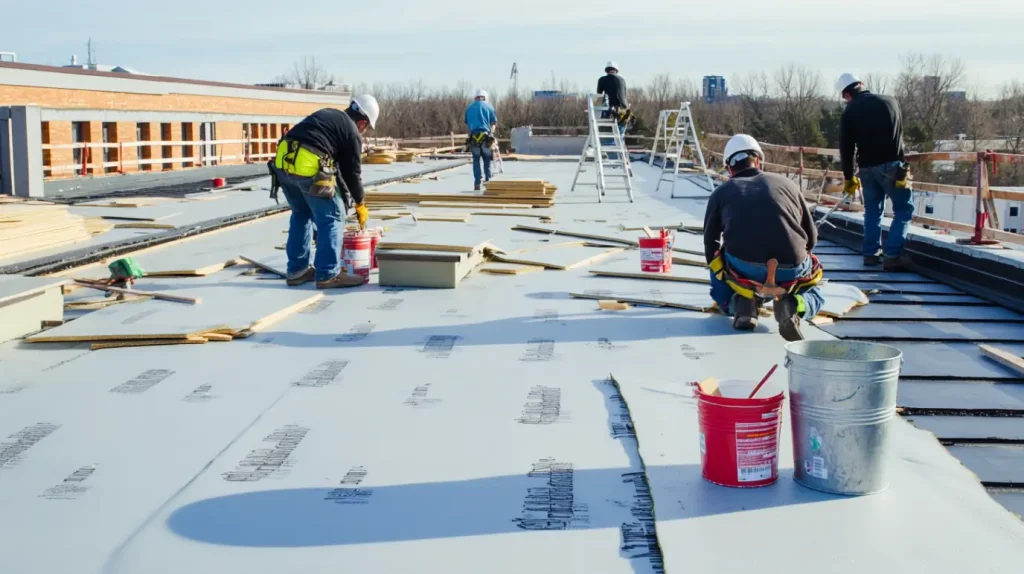
Warning Signs It May Be Time to Recoat
Owners should not wait for an active leak to begin asking whether recoating is needed. In many cases, the roof gives earlier visual and performance clues that the protective layer is nearing the end of its useful cycle.
Common warning signs include:
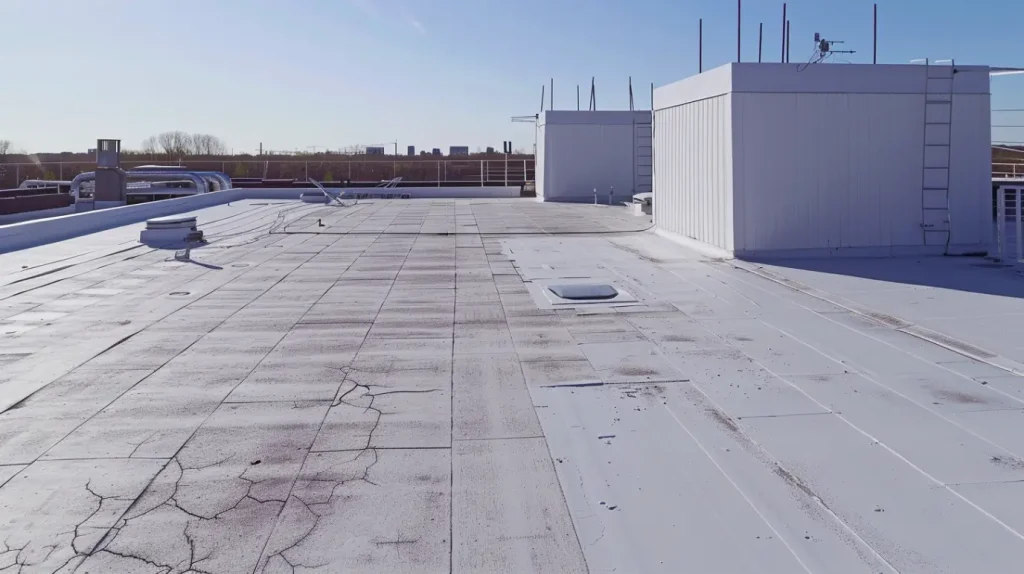
- chalking or powdery residue on the roof surface
- micro-cracking or “alligatoring” in the coating
- visible loss of coating thickness
- recurring wear in traffic paths
- increased frequency of spot repairs
- coating deterioration around penetrations and perimeter details
- exposed orange or brown foam
- a general loss of confidence in the roof’s protective condition
Exposed foam is one of the clearest signs that action should not be delayed. Once the coating has worn away in an area, the foam below is no longer adequately protected from UV and weather exposure.
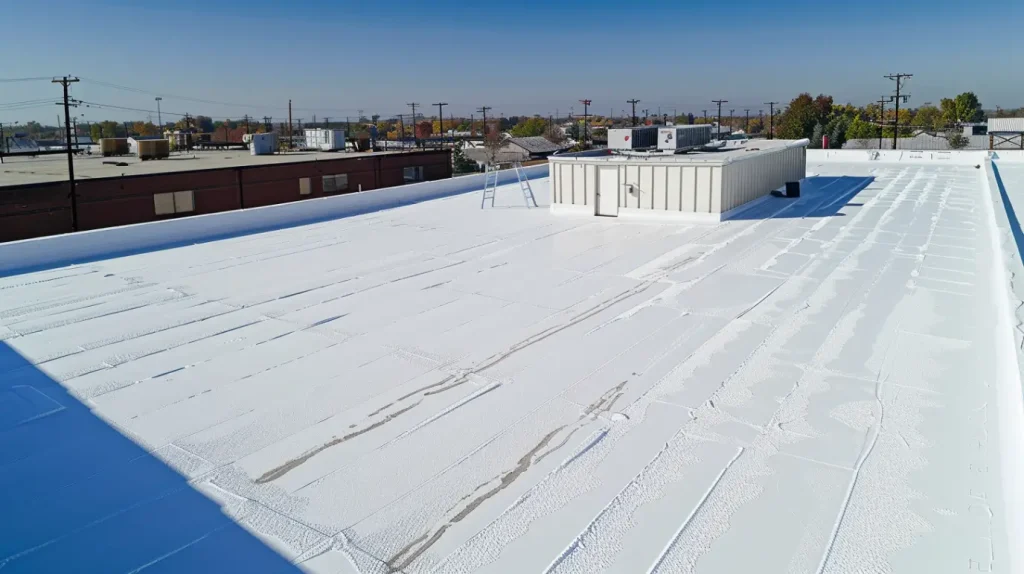
The Step-by-Step Recoating Process
Recoating a commercial SPF roof is a restoration process, not a cosmetic touch-up. The success of the project depends on inspection, preparation, repairs, and proper application.
1. Inspection and Moisture Evaluation
Before recoating begins, the roof must be evaluated to confirm it is a suitable restoration candidate. This includes reviewing:
- coating wear patterns
- exposed foam areas
- previous repair locations
- drainage conditions
- flashing and penetration details
- possible trapped moisture
If sections of foam are wet or compromised, those areas must be cut out and replaced before a new coating is applied.
2. Surface Cleaning and Preparation
Adhesion is critical in a recoating project. The roof surface must be thoroughly cleaned to remove dirt, residue, chalking, biological buildup, and contaminants that could interfere with bonding.
This step is one of the biggest quality separators between a long-lasting recoat and an early failure.
3. Repairing Damaged Areas
Before the new coating goes down, the contractor addresses any problem areas. That may include:
- replacing damaged foam
- repairing punctures and gouges
- correcting flashing transitions
- restoring worn penetrations
- reinforcing vulnerable details
Recoating should never be used to hide unresolved substrate problems.
4. Primer and Adhesion Planning if Needed
Depending on the age of the roof, the condition of the existing surface, and the coating system involved, a primer or adhesion testing step may be needed to ensure the new coating bonds properly.
5. Detail Work Before Field Application
Critical areas such as penetrations, parapets, curbs, drains, and transition points are often treated carefully before the main roof field is coated. These details often experience more stress and require special attention.
6. Application of the New Coating
Once the roof is prepared and repaired, the new protective coating is applied to the specified thickness. This restored surface becomes the new weather-resistant layer protecting the SPF below.
7. Final Review and Maintenance Planning
A professional recoating project should end with a final inspection and a clear plan for ongoing care. That includes documenting repairs, reviewing roof condition, and setting expectations for future inspection intervals.
Why Timely Recoating Delivers Better ROI
From a commercial ownership perspective, the real value of maintenance and recoating is financial control.
A timely recoat often costs far less than allowing the roof to deteriorate until major restoration or replacement becomes necessary. It also helps preserve the original value of the SPF system rather than forcing the owner into a reactive capital event.
Financial benefits of timely maintenance and recoating include:
- avoiding premature tear-off costs
- reducing the escalation of repair expenses
- preserving insulation performance
- restoring reflective surface benefits
- reducing risk of leaks and operational disruption
- extending the roof’s service life
- supporting better long-term capital planning
In other words, timely recoating is not just a roofing decision. It is an asset management decision.
Why Professional Recoating Matters
A commercial SPF recoat is not a general maintenance job. It requires correct diagnosis, technical preparation, material compatibility review, and skilled application.
Owners are not simply paying for a new top layer. They are paying for the process that determines whether the roof is restored correctly and whether that restoration will actually protect the asset for years to come.
A qualified contractor helps determine:
- whether the roof is a recoat candidate
- where substrate repairs are needed
- how much prep work is required
- what coating system is appropriate
- how to restore performance without masking deeper issues
That professional evaluation is often what separates a strategic life-extension project from a short-lived patch.
Protecting the Roof Before Options Narrow
One of the biggest advantages of SPF roofing is that owners often have a meaningful opportunity to intervene before the system reaches a failure point. But that advantage depends on timing.
If your roof is beginning to show coating wear, exposed foam, repeated repair needs, or uncertainty around remaining service life, the smartest move is usually to evaluate it before those issues become more extensive.
A professional assessment can help you determine whether your next step should be:
- localized repairs
- scheduled recoating
- a broader restoration strategy tied to long-term budgeting
The earlier that decision is made, the more options owners usually have.
Final Thoughts
A spray foam roof can be one of the most durable and financially efficient commercial roofing systems available, but longevity does not happen automatically. It comes from protecting the coating, responding to wear before it becomes severe, and treating the roof as a renewable asset rather than a neglected one.
That is the real advantage of SPF. In many cases, the roof does not need to be torn off when the surface ages. It needs to be maintained, repaired when necessary, and recoated at the right time.
For commercial building owners, facility managers, and investors, that approach can mean fewer disruptions, better lifecycle value, and a far more controlled long-term roofing strategy.
Secure Long-Term Performance with Professional SPF Maintenance and Recoating
If your commercial SPF roof is showing signs of coating wear, exposed foam, recurring repair needs, or age-related deterioration, now is the time to evaluate it before minor issues become major costs.
Our Foam Roof Maintenance Services are designed to help owners restore protection, extend roof life, and make smarter roofing decisions before replacement becomes the only option. Contact us to schedule a professional roof evaluation and determine whether targeted repairs or full recoating is the right path for your building.
Read also our blog: Choosing Trusted Professionals for Your Spray Foam Roof
Frequently Asked Questions
How often should a commercial spray foam roof be inspected?
Commercial SPF roofs should generally be inspected at least twice a year and after major weather events or rooftop service activity. Regular inspections help catch coating wear, punctures, drainage issues, and flashing stress before they grow into larger problems.
How often does an SPF roof need recoating?
Recoating intervals depend on coating thickness, weather exposure, roof traffic, and maintenance history. Many commercial SPF roofs need recoating within roughly 10 to 20 years, but the right timing should be based on the actual condition of the protective surface rather than the calendar alone.
Can an SPF roof be recoated instead of replaced?
In many cases, yes. If the foam substrate is still in serviceable condition and the main issue is coating wear rather than widespread failure, recoating can be a cost-effective way to restore protection and extend the life of the roof.
What are the clearest signs that recoating is needed?
Common warning signs include chalking, micro-cracking, thinning coating, exposed foam, repeated spot repairs, and visible deterioration around penetrations or high-traffic areas. These issues often indicate that the protective surface is wearing down and should be evaluated before more extensive damage develops.
Mail us for information
Emergency Phone